


Where to ski in New Zealand – where are the main ski-fields located?
New Zealand’s skiing is spread across both the North and South Islands, with each offering a very different style of experience.
North Island – Mt Ruapehu (Tongariro National Park)
In the North Island you’ll find New Zealand’s two largest ski fields on the slopes of Mt Ruapehu, the volcanic peak famously depicted as “Mt Doom” in Peter Jackson’s Lord of the Rings films.
The two main ski areas here are:
- Tūroa – on the southern side of Ruapehu
- Whakapapa – on the north-western side
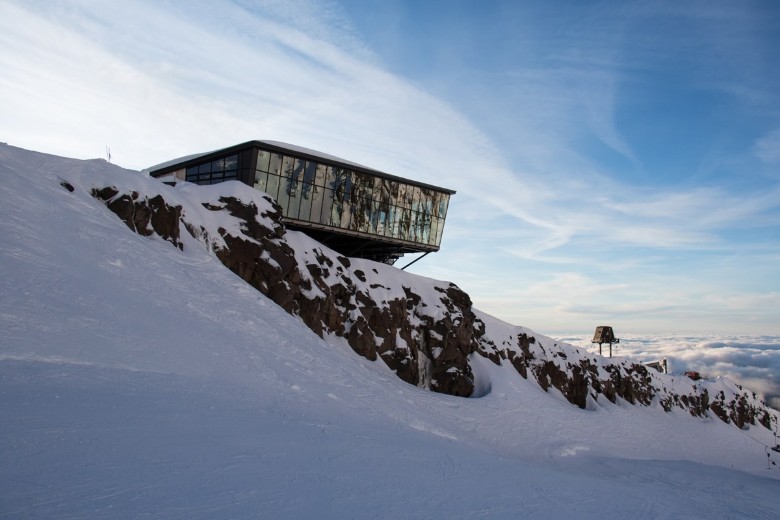
Both sit within Tongariro National Park, a UNESCO World Heritage site and home to the famous Tongariro Alpine Crossing, often described as New Zealand’s best one-day walk. Whakapapa also has a modern gondola lift that operates year-round, taking visitors up to the award-winning Knoll Ridge Café for spectacular volcanic and alpine views – even if you’re not skiing.
South Island – Queenstown, Wānaka & Canterbury.
In the South Island, the options are more numerous and clustered in two main regions:
- Central Otago – centred around Queenstown and Wānaka, with ski fields such as Coronet Peak, The Remarkables, Cardrona and Treble Cone.
- Canterbury – including commercial fields such as Mt Hutt and Porters, along with classic club fields like Craigieburn, Temple Basin and others.
Generally speaking, the South Island fields tend to have more consistent weather and often slightly drier snow thanks to their more southerly latitude. The North Island, by contrast, offers the unique experience of skiing on an active volcano, with easy access to geothermal areas (Rotorua), lakeside towns (Taupō) and central North Island experiences that work well in a broader itinerary.
Where are the best locations to stay for skiing in New Zealand and how far are they from Auckland?
Again, your choices centre around the three main areas mentioned above. In the South Island, Queenstown and Wānaka are the key bases for the Central Otago region, while Methven and the wider Christchurch/Canterbury area are best for skiing the Canterbury fields.
In the North Island, National Park and Ohakune (and to a lesser extent Taupō, which is a little further away but offers some excellent luxury accommodation choices) are the best bases for skiing Mt Ruapehu.
Then keep your flight/drive times as-is.
Queenstown and Wanaka are a 1hr & 50 min flight from Auckland. Christchurch is slightly closer at 1hr 20 mins. Taupo is a 3.5hr drive from Auckland and National Park/Ohakune between 4 – 4.5 hours. Alternatively you can fly directly to Taupo or Rotorua in around 40 mins.
North Island ski experience – Ruapehu, Tongariro & Taupō
For many of our overseas guests, the North Island works beautifully as part of a wider New Zealand trip. You can:
- Ski at Whakapapa and Tūroa on Mt Ruapehu
- Stay in and around National Park, Ohakune or Taupō
- Combine skiing with geothermal experiences in nearby Rotorua, lake cruises on Lake Taupō, or visits to Hawke’s Bay wine country
This makes the North Island ideal for guests who want a few days on the snow without building their entire itinerary around skiing. It also works well for families and mixed-ability groups: some guests ski, while others enjoy hot pools, short volcanic walks or simply relaxing in comfortable lakeside or rural accommodation.
This keeps Ruapehu from feeling like a brief prelude to “the real skiing down south.”
Is the skiing in New Zealand, ski in – ski out like in some parts of North America & Europe?
This is a question we get asked a fair amount. Unlike North America and Europe there are no ski resorts in New Zealand that you can ski out the door from. It’s a case of taking a transfer or self driving to the field. This usually takes anywhere from 15 mins to 1 hour depending on how close you are staying. The only exception to this are a few club ski fields offering accommodation which you usually have to be a member of, or at least know someone in order to stay.
What’s the snow like in New Zealand?
New Zealand’s climate can generally be described as temperate. Snow rarely falls to sea level and when it does it will usually only settles for a day or two at most. As NZ lacks significant land mass the snow can be heavier & wetter than countries with large continental land masses, favouring drier snow. This is not always the case as we do receive dry cold conditions and subsequently dry snow. Just not as consistently as ski areas in Europe and North America.
What is the average snowfall at ski resorts in New Zealand?
This varies greatly but generally the North Island receives the greatest amount of snow. Mostly due to the fact of being a lone series of mountains smack in the middle of the Central Plateau. They attract a lot of weather! As an approximate guide Ruapehu receives 2.4 mtrs (8 feet) and in the South island the figure is closer to 2 mtrs in total.
The main difference being you only need 10+ centimetres (4 inches) to start skiing on the South Islands predominately tussock covered fields. Whereas Ruapehu is strewn with large volcanic rocks and ideally needs 1 metre of snow before its safe to unleash your brand you carvers or board on its slopes. For further information on ski conditions and facilities New Zealand’s metservice website is a great source of information. Here you’ll find up to date information on snow and also general weather conditions.
Can I hire ski/snowboard equipment in New Zealand?
Yes. You don’t need to bring your own gear or at least skis, which can be a hassle to travel with. You’ll find excellent ski/snowboard rental equipment in all of the major ski towns and commercial ski fields in New Zealand.
I’m a beginner – I want to take ski lessons?
As for ski/snowboard lessons and beginner facilities, all of the commercial ski fields offer these services and even some of the club fields. However we wouldn’t recommend experiencing your first day skiing on a true club field unless you’re feeling brave. In saying that many of the club fields have updated equipment and are are more user friendly for beginners. You can purchase a package that includes lift passes, ski equipment and lessons for a set amount of days.
What about Heli-skiing in New Zealand?
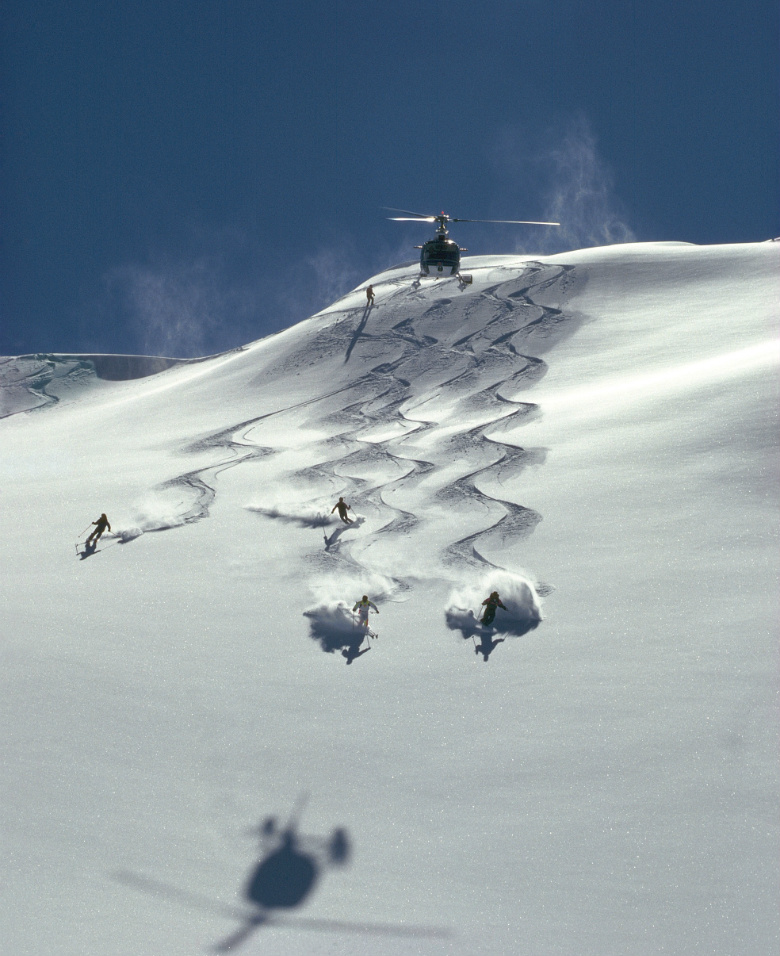
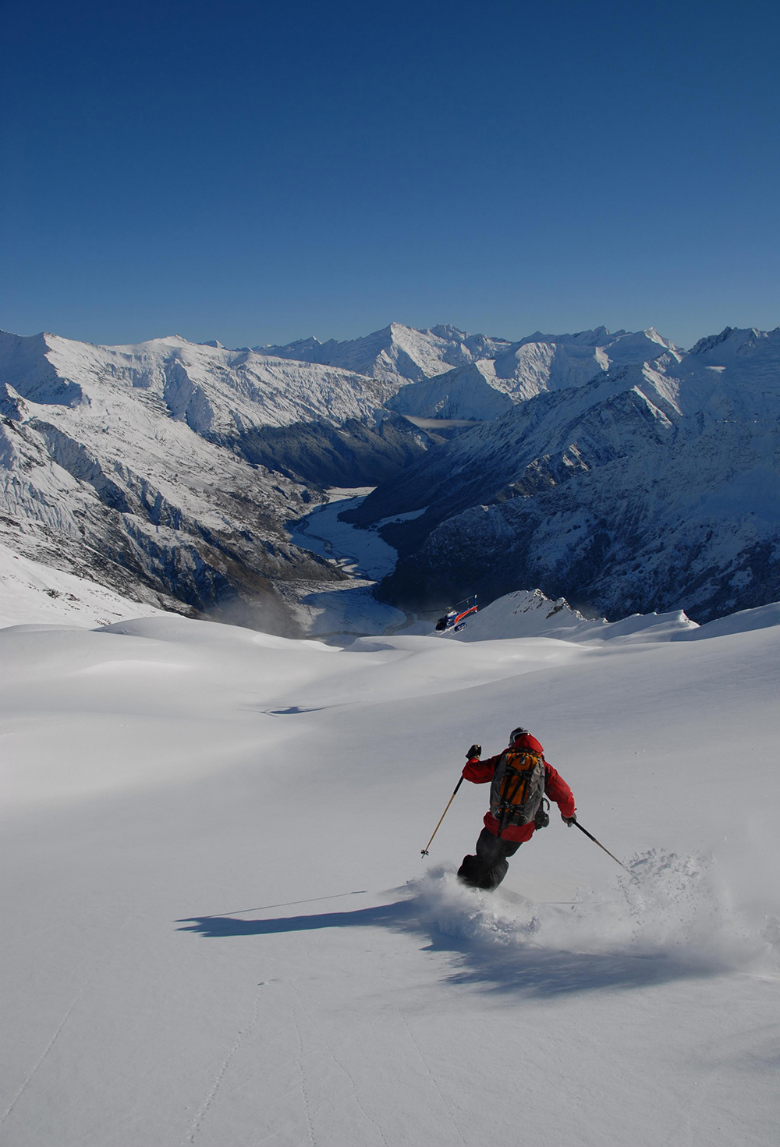
Again a common question and a service we provide on a regular basis during the season. This is something you can do in the South Island of New Zealand. Primarily around Wanaka and parts of Canterbury. The advantages are no queues, virgin powder, higher altitudes and longer runs… disadvantages? We can’t think of any! We suggest you read our dedicated Heli-skiing in New Zealand page for further information about locations, indicative pricing and seasons. Or alternatively contact us.
Should I consider club ski fields or stick with Commercial ski fields?
This question doesn’t come up that often as most of our clients opt for commercial fields. Usually for reasons of maximising time spent skiing, length of runs and proximity to highly desirable locations complete with accommodation. But it’s worth answering anyway. As previously noted the benefits of a commercial field are the superior facilities. But not only limited to lift capacity and length but also, food & beverage, ski hire, access and sometimes location. That aside the down sides of a commercial ski field are many more people and a completely different culture and ambience to that of a classic New Zealand club ski field.
If you want to experience wide open spaces and can get past the dreaded ‘nutcracker’ or ‘tow grabber’ lift system, then the club fields are worth a try. In saying this NZ’s club ski fields are always improving their uplift capabilities and many now have at least T-bars. Some fields also have small chair lifts available. If it’s a powder day then you’re far more likely to lay some fresh tracks with less people around. Not to mention meeting some interesting New Zealand characters! If that sounds like you then we would recommend skiing a club field for at least a day if you’re close by.
What is the duration of the ski season in New Zealand?
New Zealand’s ski season starts sometimes as early as late May at Mt Hutt (consistently New Zealand’s first ski field to open). But generally Mid June at Turoa (slightly later at Whakapapa) and early July at most other South Island ski fields. Closing dates are somewhere around October, give or take. Some people have even been lucky enough to experience skiing on Mt Ruapehu at Christmas, however only during exceptional snowfall years! Don’t plan your trip around this though as its very rare.
It is worth skiing in New Zealand?
Yes! The skiing here is good, the country great (we’re probably a little bias) and the people warm and friendly. Making New Zealand an ideal skiing destination. If you’re ski junkie then even better – You can get your fix here while the weather is warm in the Northern hemisphere!
Luxury Adventures – Tailoring luxury travel in New Zealand, Australia and the South Pacific Islands since 1999.
Editor’s note: This blog was originally published in May 2012, and has been updated for accuracy, and currency.