

Jack’s Point: Queenstown's best golf course
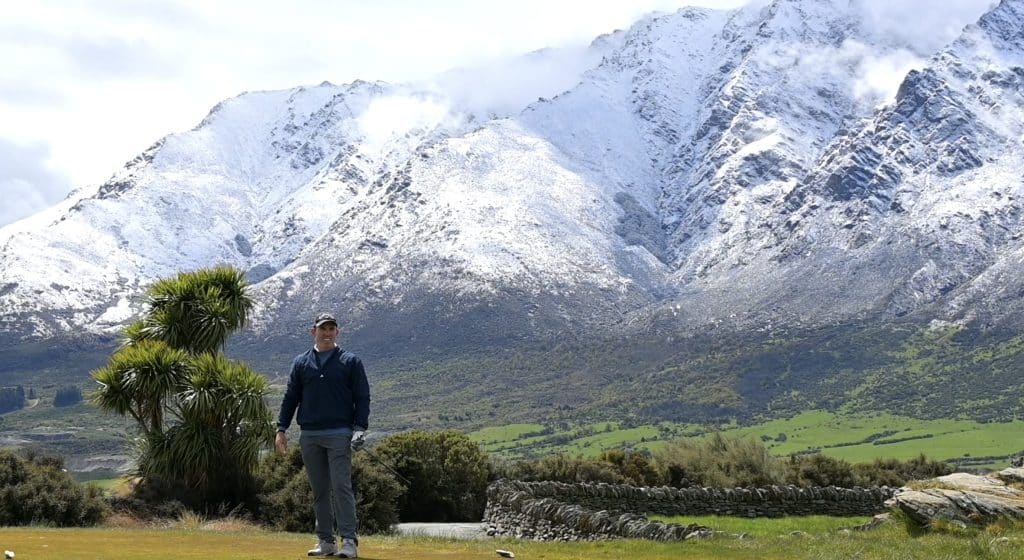
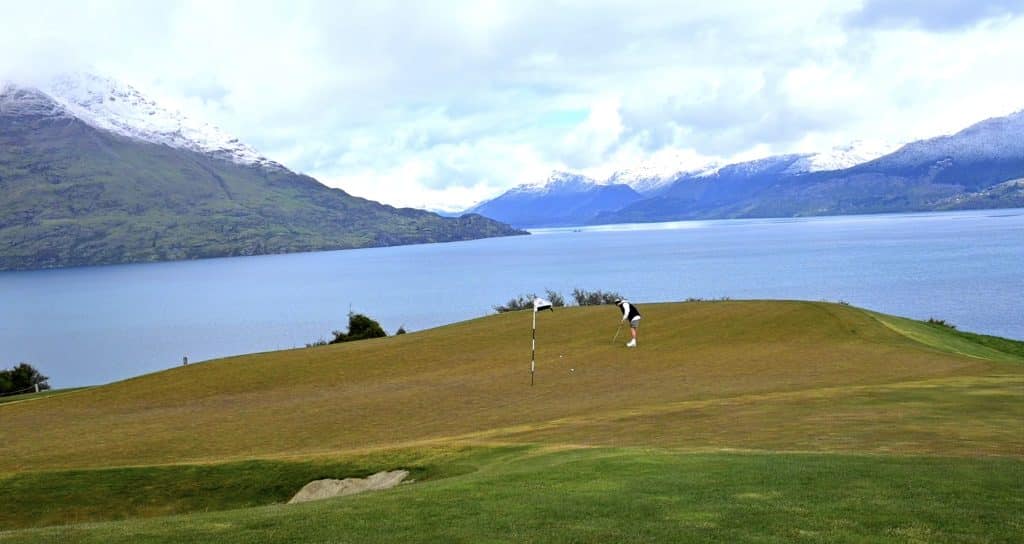
Few golf experiences anywhere in the world match the sheer drama of Jack’s Point. Resting on the shores of Lake Wakatipu and framed by the snow‑tipped Remarkables mountain range, this spectacular course near Queenstown, New Zealand, doesn’t just test a golfer’s ability — it immerses them in one of the planet’s most breathtaking landscapes.
History and Origins
Jack’s Point opened in 2008, the vision of developer John Darby, an accomplished golf course designer as well as a landscape architect. His idea was to create a championship‑calibre course that blended seamlessly into rugged natural terrain rather than overpowering it. Darby drew design inspiration from the tumbling tussock grasslands, ancient schist outcrops, and the dramatic alpine backdrop that defines Central Otago.
The course takes its name from an early European settler and farmer known as “Jack” Tewa (sometimes referred to as Jack’s Point or Jack’s Bluff). Jack was a local station hand and boatman who worked this part of the Wakatipu region in the mid‑1800s. Historical records tell of him rescuing passengers from the steamer The Lady of the Lake in 1862, solidifying his legend in local folklore. The land’s modern transformation into a golf and residential destination pays homage to this frontier heritage, preserving the raw spirit of the region while adding an element of refined leisure.
Jack’s Point quickly earned international recognition. GolfDigest, Golf World, and numerous travel publications have rated it among the top courses in New Zealand — alongside Cape Kidnappers, Kauri Cliffs, and Tara Iti. Yet unlike those coastal courses that edge the sea, Jack’s Point offers a distinctive alpine‑lake aesthetic, combining mountain drama with shimmering water vistas.
Course Design Philosophy
Rather than bulldozing fairways into shape, the design at Jack’s Point emphasizes eco‑sympathetic minimalism. Nearly all of its 6,938 yards (6,388 m) of fairways undulate naturally with existing contours. Irrigation and movement of soil were kept to a minimum to protect native flora and encourage sustainability. As a result, players experience a course that looks and feels as though it has always existed in this terrain.
Fescue grasses dominate fairways and greens, providing a firm, fast surface that encourages bump‑and‑run play and rewards imagination over pure power. Wind is a frequent factor: the lake and mountains create shifting breezes that transform the course’s mood by the hour. This variability means that the course can play very differently from one day to the next — a quality that locals and professionals alike find intoxicating.
Course Layout Overview
Jack’s Point plays as a par 72 layout with five par 3s, eight par 4s, and five par 5s. Elevation shifts, strategic bunkering, and panoramic routing keep the course dynamic. The front nine wanders through open wetlands and rocky outcrops; the back nine climbs into higher ground with sweeping lake overlooks and elevated tees.
Here’s a quick sense of how the layout unfolds:
- Front Nine (Holes 1–9): The outward half explores more open terrain with mountain views dominating every angle. The fairways flow across rolling ground framed by native tussock and rocky schist ridges. The first few holes introduce wide fairways that narrow progressively — easing golfers into the rhythm before tightening the challenge.
- Back Nine (Holes 10–18): The inward nine ascends gently onto bluff‑top ridges above Lake Wakatipu. From here, the vistas expand even more dramatically. Rapid elevation changes add complexity; wind exposure becomes a greater factor, making club selection critical.
Water rarely intrudes directly into play, but near lakeshore holes evoke the psychological challenge of playing “on the edge” — where a view can distract as much as inspire.
Notable Holes and Signatures
Hole 2 – “The Gateway” (Par 3)
Early in the round, this short hole signals what’s to come. From an elevated tee, players hit toward a green perched above natural rock terraces, with the Remarkables towering beyond. The visual intimidation is real, although the landing area is generous. Miss short or left, however, and you’ll tumble into thick fescue rough.
Hole 5 – “The Canyon” (Par 4)
One of the most photographed holes on the front nine, featuring a fairway that threads between rocky ridges and native grassland. Strategic placement from the tee is critical; bombers hoping to cut corners risk being swallowed by rugged terrain.
Hole 7 – “Lake View” (Par 5)
An exhilarating risk / reward hole with wide‑open drives leading to a sharply elevated green complex. From the approach shot, Lake Wakatipu seems to hover impossibly close — a sensory overload of turquoise waters meeting alpine skyline.
Hole 10 – “Ridge Run” (Par 4)
The start of the back nine signals a dramatic change in perspective. Teeing off high above the valley floor, your drive feels like it could stay airborne forever. Gusting winds often swirl here, demanding precision despite the scenic distraction.
Hole 14 – “The Bluff” (Par 3)
Arguably Jack’s Point’s signature. This cliff‑top par 3 plays from a high tee down toward a sliver of green jutting out over the lake. The drop‑off view across Wakatipu is so vertiginous that players often pause just to absorb it. Miss right, and you’re gone; the hole rewards nerve and exact distance control.
Hole 17 – “High Country” (Par 4)
A sweeping dogleg left through open plainlands lined with golden tussocks. The best driving line tempts golfers toward rugged schist formations; bold tee shots cutting the corner save distance but flirt with trouble. Approach shots play to a slightly raised green framed by mountains lit by the late‑day sun — a quintessential Queenstown moment.
Hole 18 – “Homeward Bound” (Par 5)
A fitting finale with a vast downhill opening drive and panoramic lake view the entire way home. The hole lures aggressive play yet punishes misjudgement around its undulating closing green. Walking off the final fairway feels less like finishing a round than completing a small adventure through alpine wilderness.
Course Features and Playing Experience
Natural Beauty as Hazard and Reward:
At Jack’s Point, nature isn’t mere decoration — it dictates strategy. The rugged landscape defines shot lines and punishes inaccuracies with native grasses that can easily swallow a ball. The fescue rough blends seamlessly into the environment, blurring the boundary between course and wilderness.
Minimal Artificial Shaping:
Bunkers are sculpted to mimic local erosion patterns rather than geometric designs. Their rough‑edged and irregular forms add authenticity. Greens are crafted with subtle internal movement rather than severe undulations, emphasizing touch over brute putting mechanics.
Practice Facilities and Amenities:
Before or after a round, golfers find a state‑of‑the‑art practice range, short‑game zone, and an elegant clubhouse that mirrors the understated natural materials of local architecture — think schist stone, timber beams, and glass walls framing that omnipresent Mountain‑Lake panorama.
Environmental Stewardship:
Sustainability anchors Jack’s Point’s philosophy. Only about 20 percent of the overall 1,200‑hectare property is developed; the remainder remains open reserve, preserving native vegetation and wildlife corridors. Irrigation uses natural water sources with careful monitoring to minimise waste, and native revegetation projects are ongoing throughout the property.
Beyond the Fairways
The Jack’s Point precinct extends beyond golf. It’s part of a master‑planned community offering scenic walking trails, mountain biking networks, and lakeside picnic spots. The proximity to Queenstown Airport (15 minutes) means visitors can tee off the same day they land, while world‑famous destinations like The Remarkables ski field and the wineries of Gibbston Valley sit within easy reach.
For non‑golfers, simply accompanying players along the round feels like a tour through a natural art gallery — every hole a new frame of lake or mountain composition.
Why Jack’s Point Matters
Jack’s Point is more than a great course — it’s a conversation between golf and geography. It demonstrates how design restraint can elevate a landscape’s inherent drama without resorting to artificial spectacle. Where many modern courses chase technical perfection, Jack’s Point celebrates imperfection: the uneven lies, tussock edges, swirling winds. It channels the raw, untamed identity of New Zealand’s South Island into every swing.
For visitors intent on sampling the "golfing crown jewels" of Aotearoa, Jack’s Point stands shoulder‑to‑shoulder with world icons because it dares to be authentically of its place. One round here is enough to convince most travellers that golf, when paired with landscape on this scale, becomes less a sport and more a celebration of place, weather, and wonder.