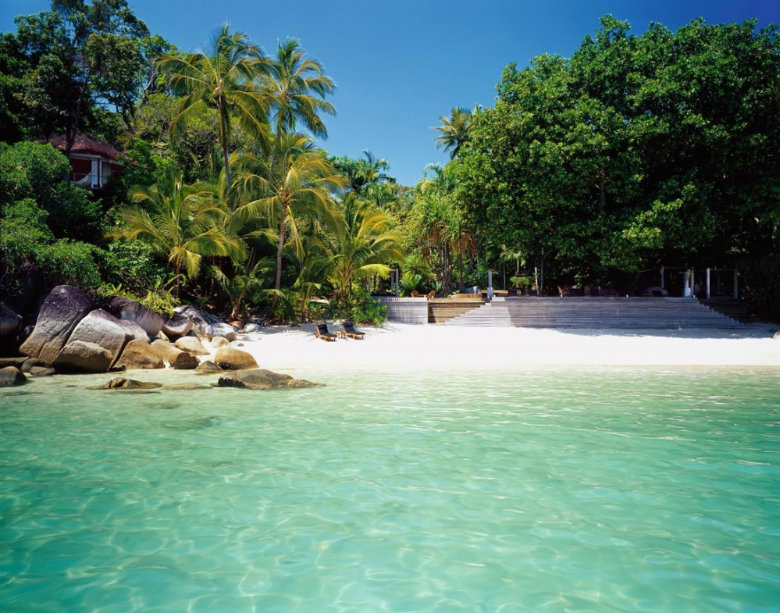


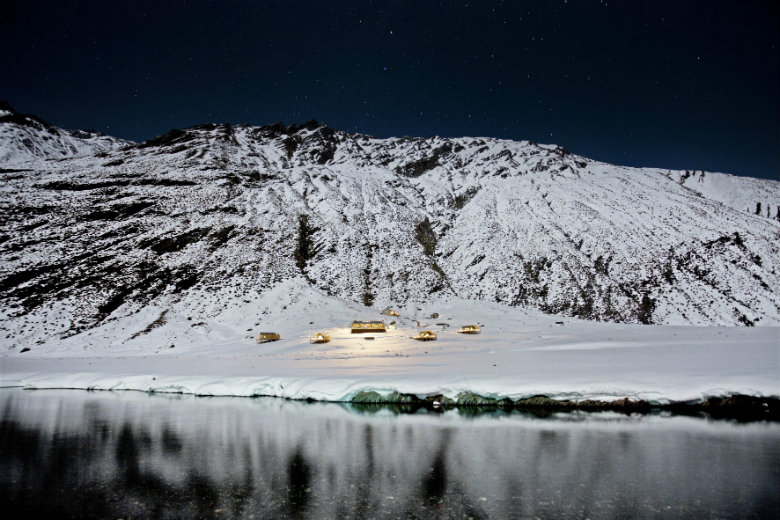
What Weather Can I Expect in Australia & New Zealand?
Weather in Australia and New Zealand depends on the time of year and where you travel, but one thing is constant: both countries sit in the Southern Hemisphere, so the seasons are the opposite of Europe and North America.
If you tell us your travel dates and wish-list, we’ll match you to the best regions and experiences—whether you’re planning a New Zealand escape, an Australia holiday, or a combined trip across the South Pacific.
Explore:
- New Zealand Destination Info
- New Zealand Sample Itineraries
- New Zealand Activities
- Australia Destination Info
- Australia Sample Itineraries
- Australia Activities
New Zealand weather: generally temperate, best planned by season
Summer (Dec–Feb)
Long days, warm temperatures and an outdoor lifestyle—ideal for touring, lake stays, coastal escapes and active adventures.
Autumn (Mar–May)
A favourite time to travel: often drier and more stable, with warm or mild days and cooler evenings (especially in the South Island). Great for combining both islands.
Winter (Jun–Aug)
Colder and sometimes wetter depending on region. This is prime time for snow experiences—see our New Zealand Activities for winter ideas including ski and heli-ski options.
Spring (Sep–Nov)
The weather begins to warm again, landscapes look fresh, and it’s a smart shoulder season if you want a balance of conditions, availability and value.
Australia weather: it’s all about the region
Australia’s climate varies hugely, so it’s best to plan around your destination and style of travel.
Tropical North (e.g., Far North Queensland / Great Barrier Reef)
The tropical rainy season generally runs November to April, with warmer temperatures and higher humidity. May to October is typically drier, still warm, and popular for reef travel and island stays. (For ideas, see Australia Activities.)
Southern States (e.g., NSW, Victoria, South Australia, southern WA)
From November to April, expect warm days and balmy evenings—great for cities, coastlines and food and wine regions. Winter can be cool (though generally not as cold as New Zealand), and Australia does have skiing, but for many travellers the strongest South Pacific ski focus remains New Zealand.
Want real-time forecasts?
For current conditions and official updates:
- New Zealand: MetService
- Australia: Bureau of Meteorology (BOM)
Tailored advice (the shortcut)
There’s always somewhere to visit—whether you want a tropical escape or a winter getaway. If you share your travel month, trip length, and your priorities (beach, hiking, golf, food & wine, wildlife, skiing), we’ll recommend the best routing and experiences:
- Start with New Zealand Sample Itineraries
- Or browse Australia Sample Itineraries
FAQs: Australia & New Zealand Weather
When is the best time to visit Australia and New Zealand?
For many travellers, March–May and September–November are excellent because you often get pleasant conditions with fewer peak-season crowds. The best timing still depends on your exact regions and the experiences you want most.
What are the seasons in Australia and New Zealand?
They follow Southern Hemisphere seasons:
- Summer: December–February
- Autumn: March–May
- Winter: June–August
- Spring: September–November
Is New Zealand cold all year?
No—New Zealand is generally temperate, with warm summers and cooler winters. The South Island is typically cooler than the North Island, especially at night and in alpine areas.
When is ski season in New Zealand?
Ski season is typically late June to early October, varying by field and snowfall. See New Zealand Activities for winter trip ideas and planning.
Is Australia always hot?
No. Northern Australia is tropical and warm, but southern regions can be cool in winter. The best approach is to plan by destination—browse Australia Destination Info and Australia Activities based on what you want to do.
Where can I check live weather before I travel?
Use the official sources: